How Supporting St Barts Local Agriculture is Changing the Game
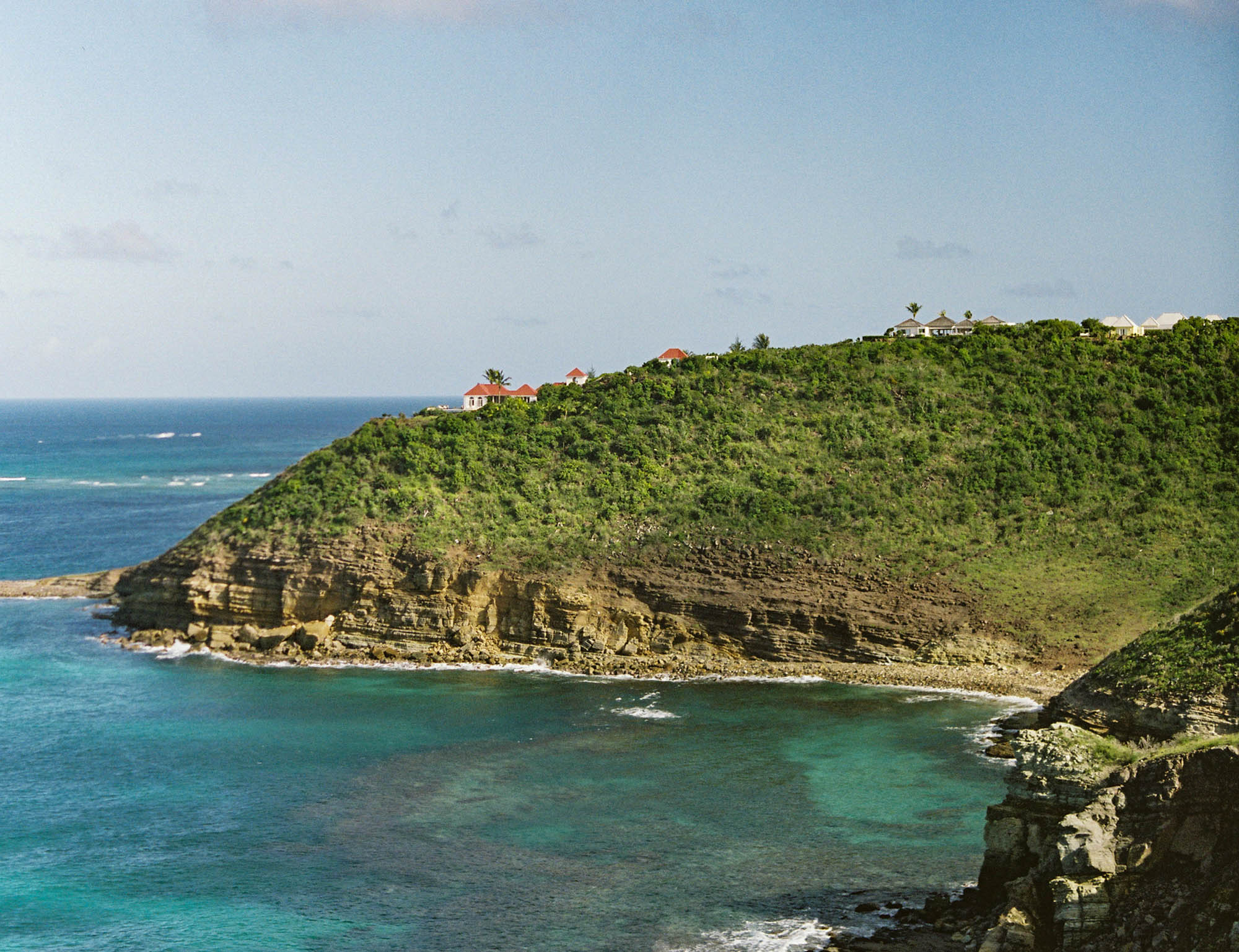
When you think of St Barts, you probably picture turquoise waters, glamorous yachts, and upscale restaurants. And sure, the island delivers on all of that. But behind the luxury lies a big challenge: St Barts, like many small islands, depends heavily on imported goods. While the farm-to-table trend is taking off around the world, St Barts is still in its early days of growing a local agriculture movement. The good news? Creative solutions and a focus on sustainability are planting seeds for a promising future.
Agriculture in St Barts: A vision in progress
Farming in St Barts isn’t easy. The island’s rocky soil and limited freshwater supply make large-scale farming tough. As a result, most of the food on the island is shipped in—leading to high prices and a big environmental footprint.
In 2022, a bold project called Zéro St Barth SAS proposed a new way forward. Their idea? A vertical aeroponic farm that could grow up to 15 tons of fruits, veggies, and herbs every year. This could have been a game-changer, cutting down on imports and bringing fresh, locally grown produce to the island’s kitchens.
But the plan hit a roadblock. Concerns over energy use, water supply, and building regulations led to the project being denied a permit in September 2022. While disappointing, the initiative showed that people on the island are hungry for sustainable solutions—even if getting them off the ground isn’t always straightforward.
Related : Saint Barthélemy Goes Green: A Sustainable Future for Tourism”
A slow but steady farming movement
Despite the challenges, small-scale farming is starting to take root. In Petite Saline, for example, plots of land grow tropical fruits like passionfruit and papaya alongside sweet potatoes and taro. Farmers are embracing organic methods to keep the soil healthy and productive for future generations.
At places like Domaine Félicité in Public, you’ll see the island’s biodiversity on full display—think tropical plants, lush shrubs, and fruit trees. While these efforts lean more toward landscaping and horticulture, they’re still part of the bigger push to reconnect St Barts with its natural environment.
Restaurants testing the waters with local ingredients
The farm-to-table movement might not be everywhere in St Barts yet, but some restaurants are starting to give it a try. Here are a few that are leading the charge:
- Le Tamarin: This spot, surrounded by gorgeous gardens, serves dishes like ceviche and vibrant salads that draw inspiration from the island’s flavors.
- L’Esprit: Chef Jean-Claude Dufour works his magic by pairing seafood with seasonal ingredients for unforgettable dishes.
- Chez Eddy’s: Known for its casual, authentic atmosphere, this restaurant embraces Creole flavors, showcasing dishes made with locally sourced fish and fresh produce.
These restaurants show how even small steps can bring local produce into the island’s world-class dining scene.
How visitors can help grow the movement
Want to make a difference while enjoying your stay? Here’s how you can support St Barts’ budding agricultural scene:
- Visit local markets: Markets in Gustavia and other areas sell fresh produce, homemade jams, and spices grown on the island. By shopping there, you’re directly supporting local farmers.
- Ask questions: When dining out, ask where the ingredients come from. Showing interest in local produce encourages restaurants to use it more often.
- Stay in the loop: Follow updates on sustainable farming projects, like vertical farming, to learn about the progress and challenges shaping the island’s future.
A sustainable path ahead
Farm-to-table dining in St Barts is still more of a dream than a reality. But it’s a dream rooted in the island’s commitment to cutting down on imports and embracing sustainability. While the journey ahead won’t be without hurdles, the desire for innovation and a local food culture is clear.
For visitors, supporting this movement offers more than just great meals—it’s a way to connect with the island on a deeper level. Every bite tells a story of the land, the people, and the effort it takes to build a sustainable paradise. Farm-to-table might be in its early days here, but it’s a movement that could change the island—and your experience of it—for the better.